
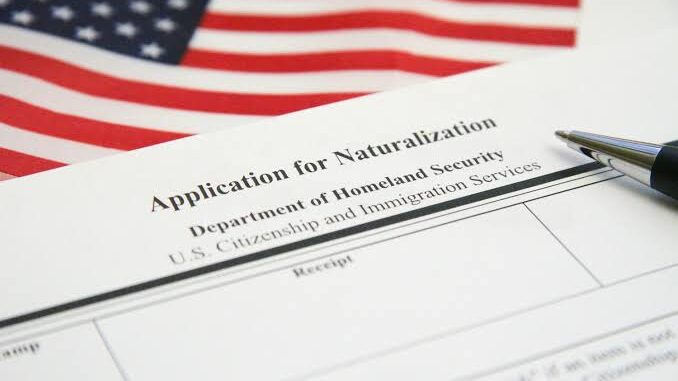
U.S. Citizenship and Immigration Services (USCIS) has published policy guidance (PA-2026-10) in Volume 12 of the USCIS Policy Manual, ending its decades-long general waiver of personal background investigations for naturalization applicants. Effective immediately, USCIS will resume conducting “neighborhood investigations” under Section 335(a) of the Immigration and Nationality Act (INA).
This policy update applies to all naturalization applications currently pending or filed on or after the issuance date. It impacts the vetting process for evaluating applicant eligibility, moral character, and loyalty to the United States.
Key Background and Legal Context Neighborhood investigations were established under the INA of 1952 but were largely abandoned by legacy INS in 1991 in favor of FBI criminal background and security checks.
Following Executive Orders 14159 and 14161, which mandate maximum screening and uniform baseline vetting standards, USCIS is exercising its statutory authority under INA 335(a) to end the routine waiver of these personal inquiries. The agency noted that community-level observations offer unrehearsed insights into an applicant’s character, allegiance to the U.S. Constitution, and disposition toward the good order and happiness of the United States.
Core Policy Changes
- Discretionary Neighborhood Investigations: In-person or field inquiries will be conducted based on an individualized, discretionary review of an applicant’s record by the USCIS Fraud Detection and National Security Directorate in coordination with the Field Operations Directorate.
- Discretionary Waivers: USCIS retains authority to waive neighborhood investigations on a case-by-case basis or for specific classes of cases.
- Voluntary Character References: Applicants may voluntarily submit testimonial or character reference letters. USCIS strongly prefers these letters to come from non-family U.S. citizens who can attest to the applicant’s moral character, constitutional attachment, and eligibility.
- Waiver Consideration: Voluntarily submitted character letters will be taken into account when USCIS determines whether to waive a neighborhood investigation.
- Enhanced Verification: USCIS will strictly cross-examine and corroborate information across submitted documentation, field investigation findings, and oral testimony during the naturalization examination.
Impact and Recommended Next Steps
The resumption of personal investigations adds an additional layer of scrutiny to the naturalization process. INLG recommends that applicants proactively strengthen their files prior to submission or interview.
- Submit Quality Character References: Applicants should consider gathering voluntary reference letters from non-family U.S. citizen peers, employers, community leaders, or neighbors attesting to their good moral character and civic attachment.
- Review Public and Community Footprints: Applicants should ensure all address histories, employment records, and community interactions are consistent across all historical immigration filings.
- Prepare for Extended Vetting: Processing times may expand for certain cases selected for field inquiries.
INLG continues to monitor updates to USCIS adjudication procedures and is available to assist applicants in reviewing filings to ensure full compliance with these updated screening standards.