
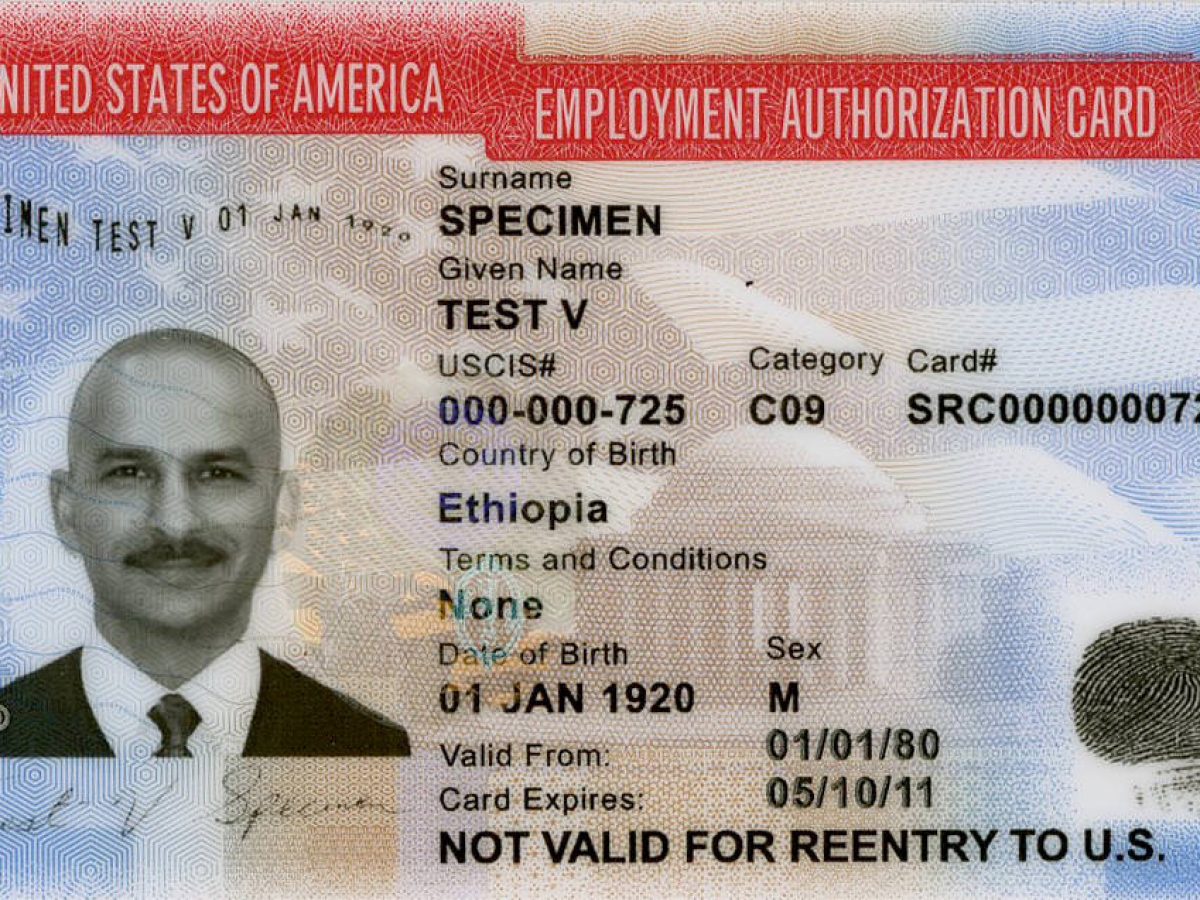
INLG is advising clients with pending green card applications to exercise significant caution before traveling internationally, including when they have been issued Advance Parole.
Advance Parole generally allows certain individuals with pending adjustment of status applications to request permission to seek reentry to the United States after international travel. However, possession of an Advance Parole document does not guarantee admission. Admission decisions are made by U.S. Customs and Border Protection (CBP) at the port of entry, and individual immigration or admissibility issues can affect whether a person is permitted to enter the United States.
The reported incident is relevant to individuals with pending green card applications who may be considering international travel. Although one reported case does not establish a new rule or mean that every traveler with Advance Parole will be denied entry, it demonstrates that international travel can involve risks that may not be apparent from the parole document itself.
Implications
Individuals with pending green card applications should not assume that Advance Parole makes international travel risk-free. Depending on an individual’s immigration history, current status, prior entries and exits, and any potential grounds of inadmissibility, traveling outside the United States can create complications when attempting to return.
For this reason, INLG does not recommend international travel based solely on the existence of an Advance Parole document, particularly when remaining in the United States is possible. The consequences of being refused admission can be significant, including disruption to a pending immigration case and separation from family or employment.
Before making international travel plans, individuals with pending green card applications should have their specific circumstances reviewed and understand the potential risks associated with leaving the United States and attempting to return.