
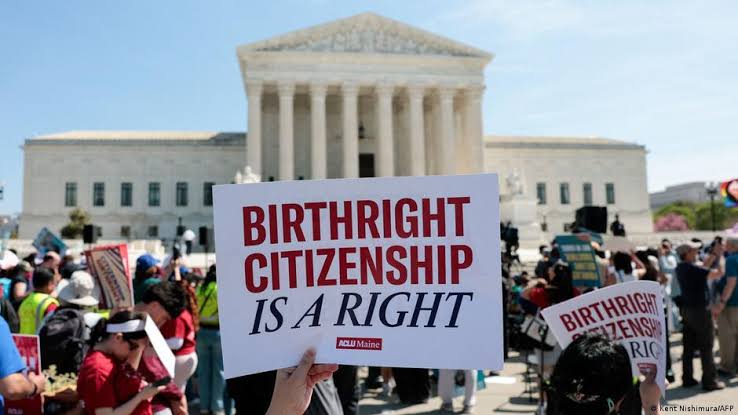
The U.S. Supreme Court has issued a 6–3 decision invalidating a January 20, 2025, executive order that aimed to restrict birthright citizenship. The administration’s order sought to deny automatic citizenship to children born in the United States unless at least one parent was a U.S. citizen or permanent resident. The ruling ensures that the long-standing interpretation of the 14th Amendment remains intact, anchoring automatic citizenship to the geographic location of birth.
Writing for the majority, Chief Justice John Roberts noted that the historical and legal understanding of the 14th Amendment firmly supports broad birthright citizenship, echoing precedents dating back to the landmark 1898 United States v. Wong Kim Ark decision. The Court found insufficient legal or constitutional basis to alter this decades-long framework through executive action. Because lower federal courts had blocked the executive order immediately after its signing, the policy was never implemented.
Implications
The ruling provides critical stability for international professionals, temporary visitors, and mixed-status families. Had the executive order been upheld, children born in the U.S. to parents on temporary visas (such as H-1B, L-1, or F-1 status) or those without legal status would not have been recognized as citizens at birth. The decision eliminates the immediate threat of a multi-tiered citizenship verification system and avoids complex procedural hurdles for families welcoming children while navigating the U.S. immigration system.
Next Steps
With the high court’s definitive ruling, the legal standard for birthright citizenship remains unchanged. INLG will continue to monitor any subsequent administrative policy updates or legislative proposals impacting citizenship and nationality laws to ensure clients receive compliant, forward-looking strategic advice.