
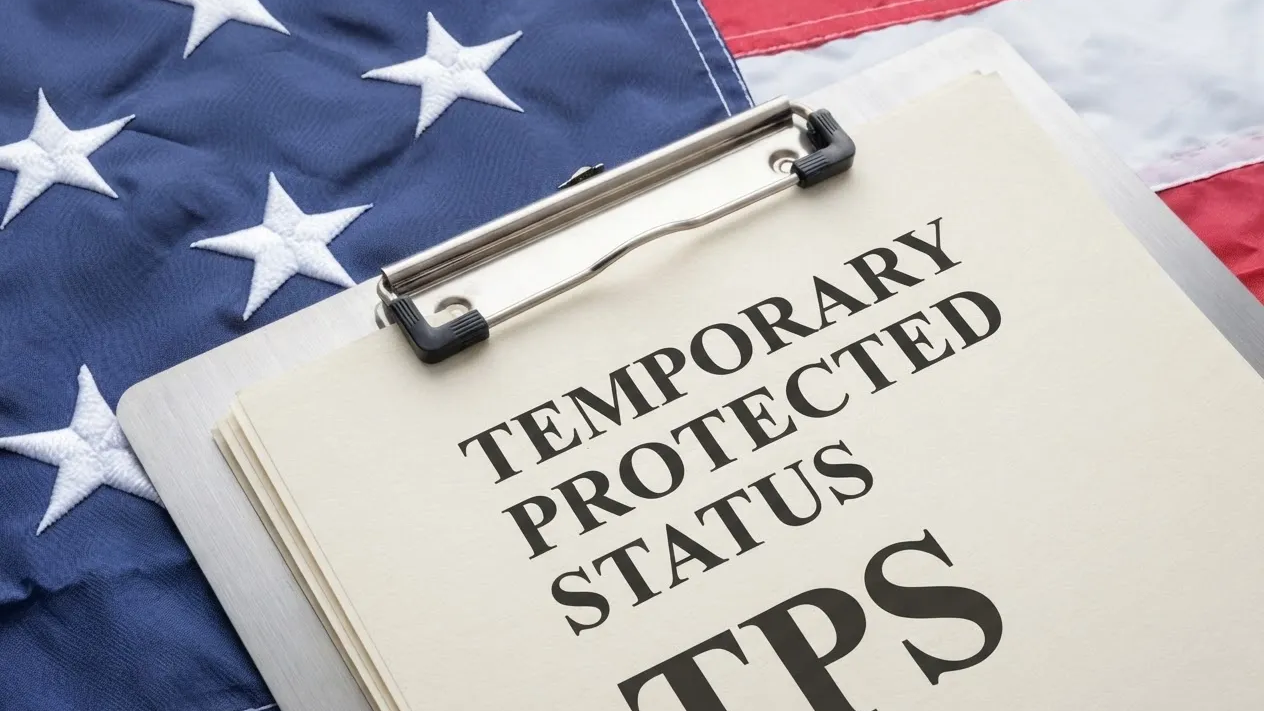
Media reports published on October 18 and 19 indicate that a DHS spokesperson stated that final determinations regarding the future of TPS for both nations will “be made at the appropriate time.” According to the statement, noncitizens from Ukraine and Sudan currently enrolled in the TPS program will “retain protection,” including employment authorization, while decisions remain pending. This informal approach mirrors statements made by DHS regarding TPS El Salvador in September, which were subsequently formalized on the U.S. Citizenship and Immigration Services (USCIS) website.
Under Section 244(b)(3)(B) of the Immigration and Nationality Act (INA), DHS is required to provide at least 60 days’ notice in the Federal Register before terminating a country’s TPS designation.
Furthermore, under INA § 244(b)(3)(C), if the Secretary of Homeland Security fails to make a determination by the statutory 60-day deadline regarding whether a country continues to meet TPS conditions, the period of designation automatically extends by operation of law for 6, 12, or 18 months, at the Secretary’s discretion.
When DHS has failed to provide timely notice on expiring TPS designations in the past, outcomes have varied:
- Delayed Termination Notices: In certain cases, DHS has published a termination notice days after the expiration date, establishing an effective termination date 60 days following publication. For example, TPS for Honduras was set to expire on July 5, 2025; DHS announced its termination on July 7 and published the notice in the Federal Register on July 8, establishing an effective termination date of September 8, 2025.
- Acknowledged Automatic Extensions: In other cases, DHS has recognized the statutory automatic extension. For South Sudan, DHS published a Federal Register notice on May 6, 2025, confirming that because no determination was reached prior to the 60-day statutory window, the designation automatically extended for six months. USCIS updated its public guidance accordingly.
While these historical outcomes provide context, they do not guarantee how DHS will address the current status of Sudan or Ukraine. If DHS concludes that an automatic extension is warranted under the statute, an official public acknowledgment is expected. Caution remains necessary until official agency action is taken.
The current absence of formal documentation creates significant operational challenges for employers and impacted employees:
- Uncertainty of “Protected Status”: Informal media statements do not constitute legal proof of status or work authorization for Form I-9 verification purposes.
- Lack of Extended EADs: USCIS has not formally extended Employment Authorization Documents (EADs) for affected individuals beyond the October 19, 2026 expiration date. Consequently, employees relying solely on an expired TPS-based EAD cannot present standard documentation required for I-9 re-verification.
- Risks of “Silent Extensions”: Relying exclusively on arguments of an automatic statutory extension poses high regulatory compliance risks. Continuing employment based solely on an unacknowledged automatic extension is contrary to established USCIS practice and leaves employers vulnerable during immigration audits.
Next Steps
- Exercise Caution with Informal Statements: Do not rely on press releases or media quotations to satisfy Form I-9 audit requirements or verify ongoing work eligibility.
- Assess Risk Profiles: Employers should evaluate the compliance risks of maintaining employment for affected workers prior to the release of official agency guidance.
- Monitor Official Channels: Continue to track updates posted in the Federal Register and on the official USCIS TPS webpages for Sudan and Ukraine.
Contact INLG for case-specific guidance on handling pending I-9 re-verifications or evaluating alternative immigration options for affected employees.