
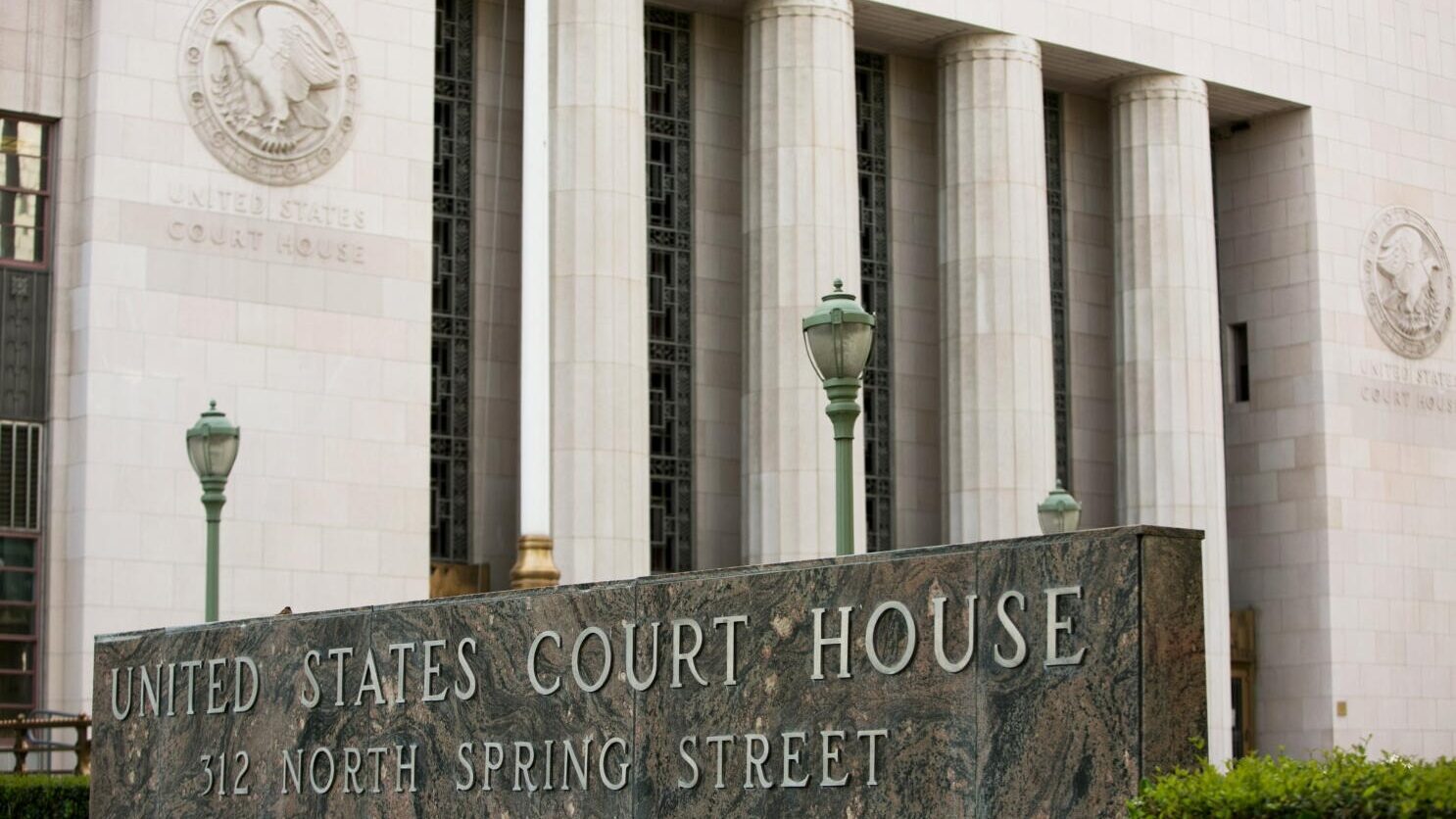
A federal judge in Massachusetts has granted a nationwide preliminary injunction stopping the Department of Homeland Security (DHS) from implementing a controversial regulation that would restrict the duration of stay for international students and exchange visitors. The rule was slated to take effect on September 15.
Chief Judge F. Dennis Saylor IV of the U.S. District Court for the District of Massachusetts issued the 48-page order following a lawsuit brought by eight higher education organizations seeking to vacate the rule. Consequently, the regulation will not go into effect while judicial proceedings continue.
Key Takeaways & Legal Context
- End of “Duration of Status”: Finalized in July, the DHS rule sought to eliminate a nearly 50-year policy that allows international students in good academic standing to remain in the United States for the full duration of their studies. In its place, the regulation proposed a fixed four-year cap on stay, requiring students to apply for extensions without offering clear procedural guidance on how those extension requests would be evaluated.
- Broader Scope: The proposed restrictions extended beyond standard F-1 student visas to include J-1 visa holders, impacting exchange programs, Fulbright scholars, and foreign journalists reporting in the U.S.
- Administrative Procedure Act (APA) Violations: In granting the injunction, Judge Saylor found that DHS failed to comply with the APA. Specifically, the court held that the government failed to adequately respond to public comments, of which roughly 22,000 were submitted, mostly in opposition, and failed to consider alternative options.
- Lack of Rational Connection to National Security: The court rejected the government’s argument that the rule was necessary for national security, noting that DHS failed to demonstrate a rational connection between the regulation and its stated security goals. The judge observed that the government’s justification rested on a small number of isolated anecdotes that the proposed rule would neither prevent nor mitigate.
Impact on Higher Education Institutions & Employers
Higher education institutions and advocates raised significant concerns regarding the rule’s operational and financial repercussions. Major implications include:
- Degree Completion Barriers: Programs requiring more than four years, particularly Ph.D. and doctoral tracks, which frequently take five or more years, faced immediate disruption.
- Competitiveness & Revenue Risks: Industry leaders argued that fixed-term limits make U.S. institutions less attractive to global talent, creating ripple effects on international student enrollment, tuition revenue, and institutional research efforts.
- Irreparable Harm: Prior to the ruling, over a dozen academic institutions submitted declarations detailing the immediate and irreparable harm caused by the rule’s impending implementation.
Current Status and Recommended Next Steps
While the preliminary injunction prevents the rule from taking effect, it does not permanently vacate the regulation. The litigation will move forward, with a status conference scheduled for October 2.
INLG recommends that institutions and employers take the following steps:
- Maintain Current Compliance Protocols: Continue operating under standard “Duration of Status” guidelines for F-1 and J-1 visa holders, as the fixed four-year limit is temporarily unenforceable.
- Review Affected Populations: Identify current and incoming students, researchers, and exchange visitors who would have been impacted by the four-year limit to ensure proper record-keeping and advisement.
- Monitor Litigation Developments: Track upcoming court proceedings, including the October 2 status conference, to anticipate potential appeals or further administrative adjustments.
INLG will continue to monitor this litigation and provide updates as further developments occur. For specific guidance regarding international student compliance, institutional policies, or visa management, please reach out to our team.