
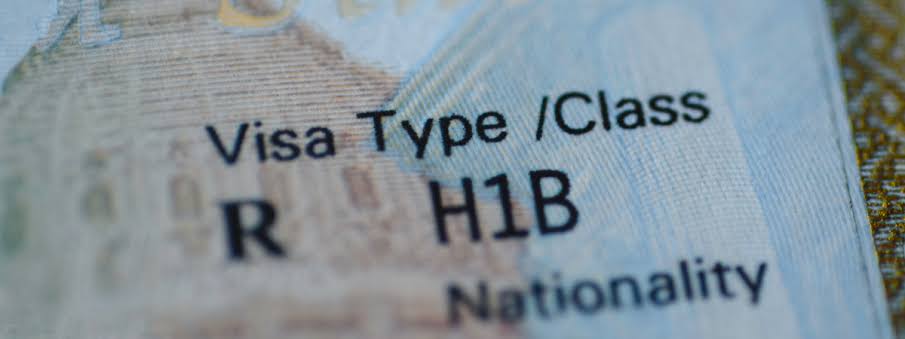
On September 18, 2026, the President issued an Executive Order directing the U.S. Departments of State, Labor, and Homeland Security to coordinate efforts aimed at strengthening oversight of the H-1B nonimmigrant visa program. The order instructs federal agencies to review whether H-1B petitions, labor condition applications, and visa processing procedures comply with existing statutory requirements.
The Executive Order focuses on increased review of employers that may have conducted layoffs involving U.S. workers in connection with their participation in the H-1B program. Under the order, agencies are directed to consider whether a sponsoring employer has directly or indirectly engaged in workforce reductions affecting similarly situated U.S. employees within the previous year or has plans for future layoffs when reviewing H-1B-related filings.
As part of this effort, the Department of Labor’s Wage and Hour Division will begin reviewing data from previously submitted Labor Condition Applications within 30 days to determine whether additional action may be appropriate under existing H-1B regulations. The order also encourages coordination among government agencies, including the Departments of Commerce and Education and the Small Business Administration, to provide relevant employment, wage, academic, and economic information during the review process.
The Executive Order does not immediately change the statutory requirements for obtaining H-1B classification or create new filing obligations for employers. Instead, it directs federal agencies to develop policies, guidance, or operational procedures to improve enforcement of existing rules governing the program.
Potential areas of increased scrutiny may include whether employers properly comply with wage obligations, whether offered positions qualify as specialty occupations, and whether the information submitted in H-1B filings accurately reflects the position, work location, and beneficiary’s qualifications.
Employers that sponsor H-1B workers should continue maintaining accurate documentation supporting their petitions, including records related to job duties, wage compliance, work locations, and employment decisions. Companies that have experienced workforce changes or are planning future H-1B filings may benefit from reviewing their compliance practices in light of the increased attention from federal agencies.
INLG will continue monitoring developments related to the implementation of this Executive Order and will provide updates as additional agency guidance or procedures become available.