
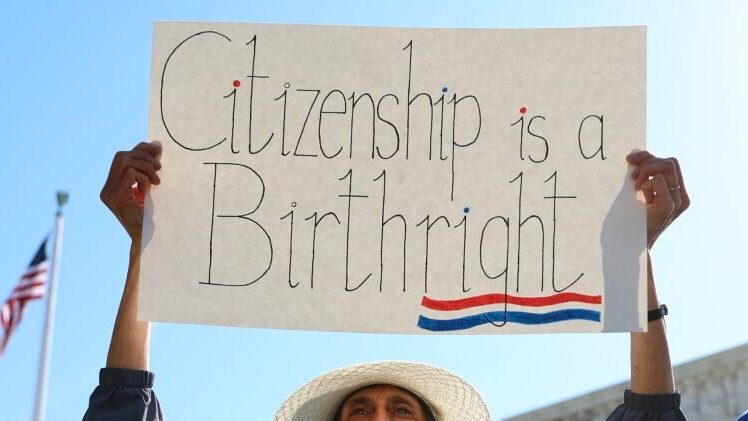
President Trump signed two executive orders intended to restrict eligibility for birthright citizenship and curb the practice of “birth tourism.” These executive actions arrive weeks after the U.S. Supreme Court issued a 6-3 ruling rejecting previous executive efforts to end birthright citizenship for children of undocumented residents. While official implementation details and federal agency guidelines remain forthcoming, the measures signal increased administrative scrutiny for non-citizen visitors and temporary foreign nationals.
Key Facts & Overview of Executive Actions
- Targeting “Birth Tourism”
The first executive order targets foreign nationals who visit the United States on tourist visas with the primary intent of giving birth to obtain automatic U.S. citizenship for their children. White House officials stated at an Oval Office signing ceremony that the measure aims to prevent non-citizen visitors from leveraging temporary status for immediate nationality benefits, asserting that the order will adhere to boundaries set by recent judicial precedent. - Expanding Disqualification Standards
The second executive order expands administrative definitions specifying who does not qualify for birthright citizenship. This measure seeks to establish new enforcement frameworks within executive agencies following the Supreme Court’s recent decision.
Practical Implications for Non-Citizens & Travelers
While judicial challenges unfold, key operational impacts across immigration agencies and government bodies may include:
- Heightened Consular Scrutiny: Applicants for B-1/B-2 visitor visas may face increased questioning regarding pregnancy status, travel motives, and financial independence during overseas consular interviews.
- Border & Port-of-Entry Inspections: Customs and Border Protection (CBP) officers may apply stricter evaluation standards for pregnant travelers arriving at U.S. ports of entry, including requesting proof of residence and return intent.
- Administrative Delays: State vital records departments and federal document agencies (such as the U.S. Department of State) may experience administrative ambiguity regarding birth documentation and passport applications for newborns of non-permanent residents.