
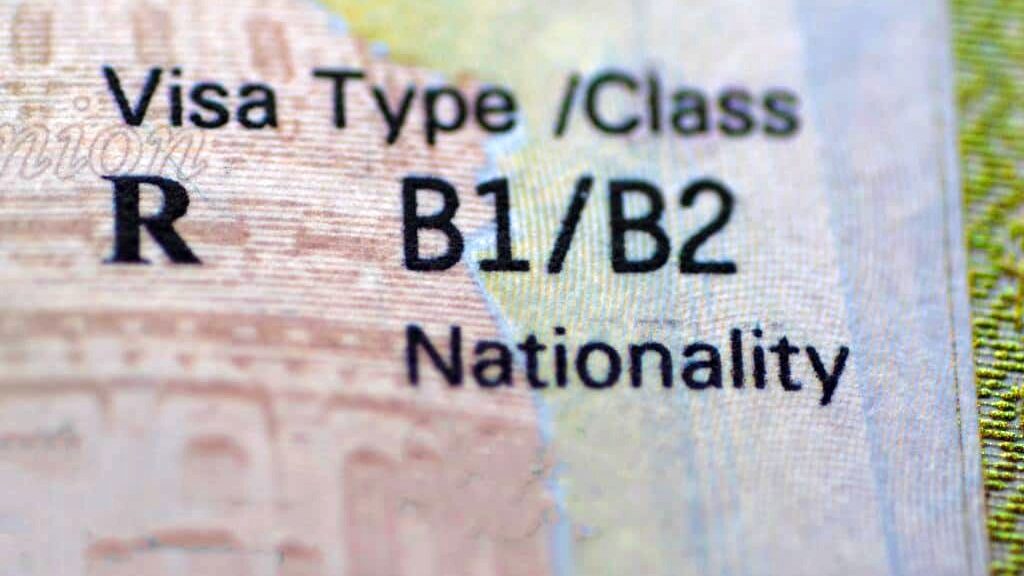
The U.S. Department of State, in coordination with the Department of Homeland Security (DHS), is preparing to execute the largest mass visa revocation in U.S. history. The action will target nonimmigrant B-1 (business) and B-2 (tourism) visas issued between 2016 and 2026 to foreign nationals who have applied for or are currently seeking asylum status in the United States. Reports indicate the policy could affect up to 200,000 individuals.
Key Facts and Background
State Department officials confirmed that screening of current B-1 and B-2 visa holders initiated after U.S. Citizenship and Immigration Services (USCIS) shared data regarding pending and filed asylum requests. The administration’s stated objective is to eliminate what it characterizes as the improper use of short-term visitor visas to establish permanent residency via asylum claims.
The revocations will be executed on a rolling basis, meaning affected totals will remain dynamic as screening continues.
Immediate Legal Implications
- Deportation Status: The revocation of a B-1 or B-2 visa does not automatically trigger immediate deportation for individuals with pending asylum cases. Affected individuals will generally be recategorized, but will lose their status as temporary business or tourism visitors.
- Travel Restrictions: Once a visa is revoked, the holder loses the ability to re-enter the U.S. on that specific visa if they leave the country.
- Broader Enforcement Context: This measure follows a series of nonimmigrant visa restrictions implemented over the past 18 months, including heightened scrutiny of social media history, increased processing bonds, and targeted visa revocations.
Recommended Actions
- Assess Current Status: Individuals currently present in the U.S. under B-1/B-2 status who have filed for asylum should review their documentation to determine potential exposure to rolling revocations.
- Avoid Unnecessary Foreign Travel: Noncitizens with pending asylum claims who entered on B-1 or B-2 visas should refrain from international travel, as a revoked visa will prevent re-entry to the United States.
- Monitor Official Communications: Track formal notifications from the State Department, USCIS, or DHS regarding changes to visa status or pending asylum proceedings.
INLG continues to monitor these policy developments closely and will provide additional guidance as formal announcements and potential legal challenges unfold. Please reach out directly to INLG for individual case evaluations and tailored compliance strategies.