
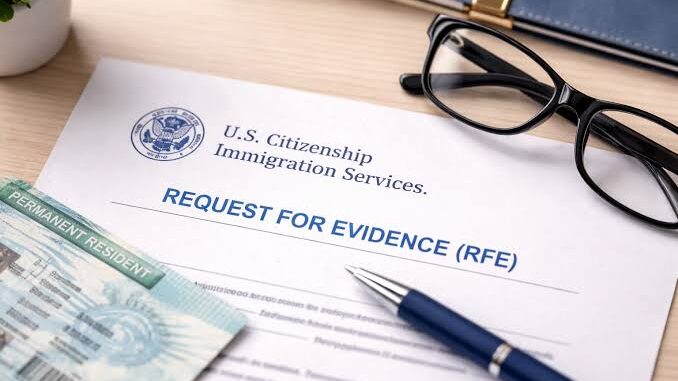
USCIS has announced new policy guidance reaffirming that applicants must demonstrate eligibility and submit all required initial evidence when an immigration benefit request is filed. Effective immediately as of August 5, 2026, officers may deny an application without first issuing a Request for Evidence (RFE) or Notice of Intent to Deny (NOID) if the filing does not establish eligibility or is missing required initial documentation. The policy applies to both new filings and pending cases, unless a regulation provides otherwise.
The updated guidance replaces prior policy that generally favored issuing an RFE or NOID before denying an application, even when key evidence was missing. USCIS stated that officers now have discretion to either deny a deficient filing or request additional evidence, depending on the circumstances. The agency also clarified several evidentiary standards, including the distinction between initial and additional evidence, the use of primary and secondary documentation, and the weight given to affidavits submitted in place of documentary evidence.
Practical Implications
Applicants should expect greater scrutiny at the time of filing. Complete and well-supported applications will become even more important, as missing required evidence may now result in a denial without an opportunity to supplement the record. USCIS also confirmed that RFE response periods will not exceed 12 weeks, NOID response periods remain capped at 30 days, and the additional 14-day response allowance previously provided for international correspondence has been eliminated.
Next Steps
Individuals, families, and employers should carefully review filing requirements before submitting any immigration benefit request to ensure all required evidence is included from the outset. INLG is monitoring implementation of this policy and can help evaluate filing strategies in light of these procedural changes.