
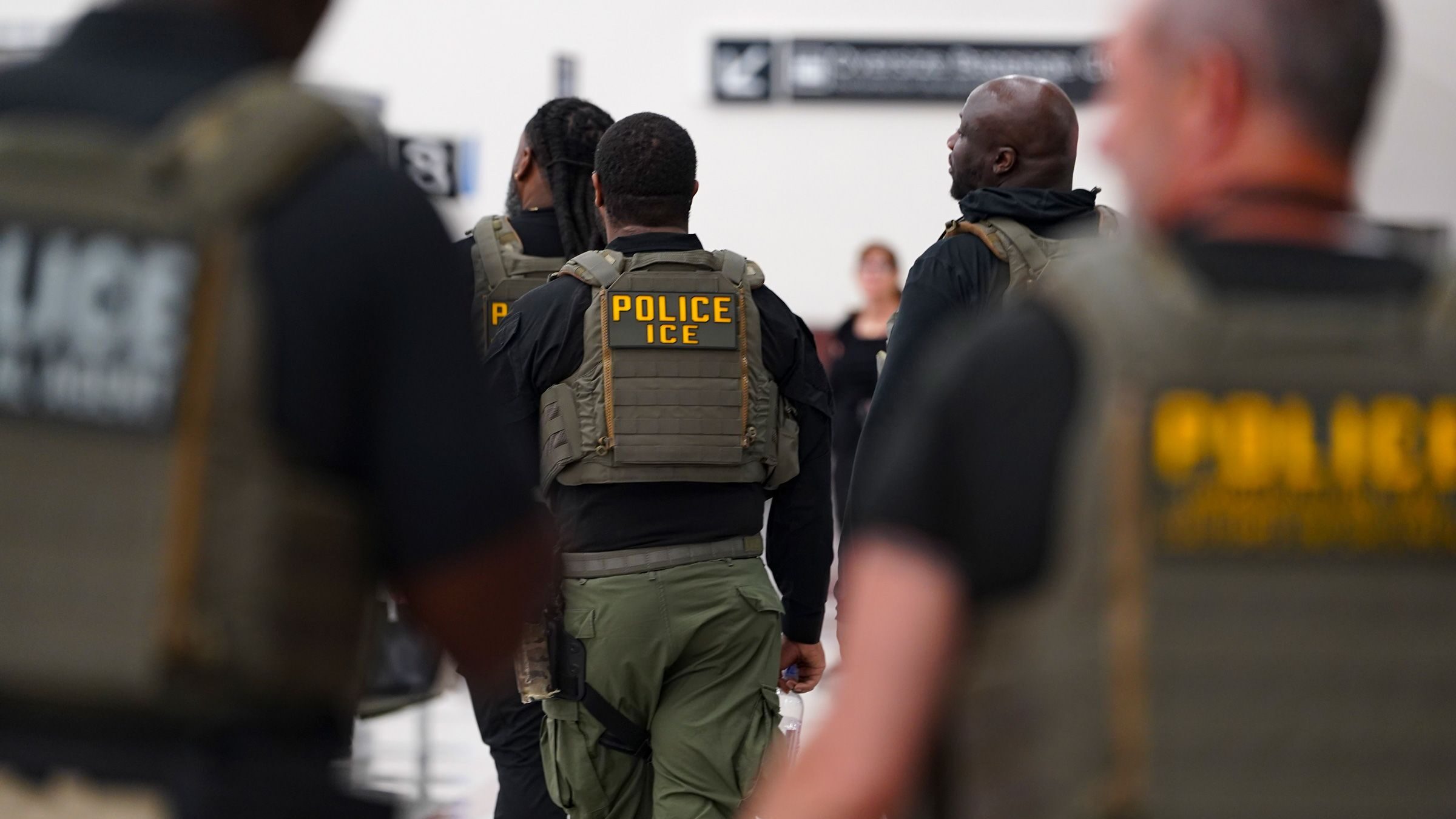
Federal immigration authorities have reportedly expanded enforcement activity at U.S. airports to include travelers whose visas have expired, even when they have pending applications for extensions, adjustment of status, asylum, or other immigration benefits. Recent arrests have taken place at check-in areas, boarding gates, and arrival terminals across multiple airports.
The reported activity appears to build on information-sharing procedures between the Transportation Security Administration and U.S. Immigration and Customs Enforcement. While earlier airport enforcement focused primarily on individuals with outstanding removal orders, recent cases suggest that travelers may also be identified based on visa overstay records. Those detained have reportedly included spouses of U.S. citizens, employment-based applicants, former exchange visitors, and individuals with pending asylum cases.
A pending immigration application, employment authorization document, or marriage to a U.S. citizen does not necessarily prevent ICE from initiating enforcement action. The legal effect of a pending filing depends on the individual’s underlying status, immigration history, authorized period of stay, and the type and timing of the application submitted.
Implications for Domestic Travel
Individuals who have remained in the United States beyond their authorized period of stay may face increased enforcement risk when traveling by air, including on domestic flights. This may apply even when USCIS has accepted a pending application or issued employment authorization.
Before traveling, individuals with expired visas, status gaps, prior removal proceedings, pending immigration applications, or other status concerns should carefully review their immigration records and the potential consequences of airport screening.
Next Steps
INLG is monitoring developments involving airport enforcement and information sharing between federal agencies. Travelers with unresolved immigration status should obtain case-specific guidance before booking domestic flights and carry appropriate documentation if travel is necessary.